
 Linda Joan
 Introduction
How Stress Can Affect Women’s Health is an important topic in today’s fast-paced world where many women balance careers, family responsibilities, personal commitments, and social obligations at the same time. While occasional stress is a natural part of life, long-term stress can have a significant impact on both physical and emotional well-being. Understanding How Stress Can Affect Women’s Health can help women recognize early warning signs, make healthier lifestyle choices, and develop practical strategies that support long-term wellness.
Understanding How Stress Can Affect Women’s Health can help women identify stress-related symptoms before they become more serious. When stress is recognized early, it becomes easier to adopt healthy coping strategies that support long-term wellness and emotional balance.
1 Understanding How Stress Affects the Body
Stress is the body’s natural response to demanding situations. Whenever a person encounters challenges, uncertainty, or pressure, the body activates a response system designed to help manage those circumstances. This process can be beneficial in short-term situations because it increases alertness and prepares the body to react quickly.
Problems often arise when stress continues for weeks, months, or even years. Instead of returning to a balanced state, the body remains in a prolonged period of heightened activity. Over time, this ongoing response can affect multiple systems throughout the body and may interfere with normal physical and emotional functioning.
Understanding How Stress Can Affect Women’s Health begins with recognizing that stress is not only an emotional experience. It also influences physical wellness, mental performance, and daily quality of life.
2 Physical Effects of Chronic Stress
One of the most important aspects of understanding How Stress Can Affect Women’s Health is recognizing its physical impact.
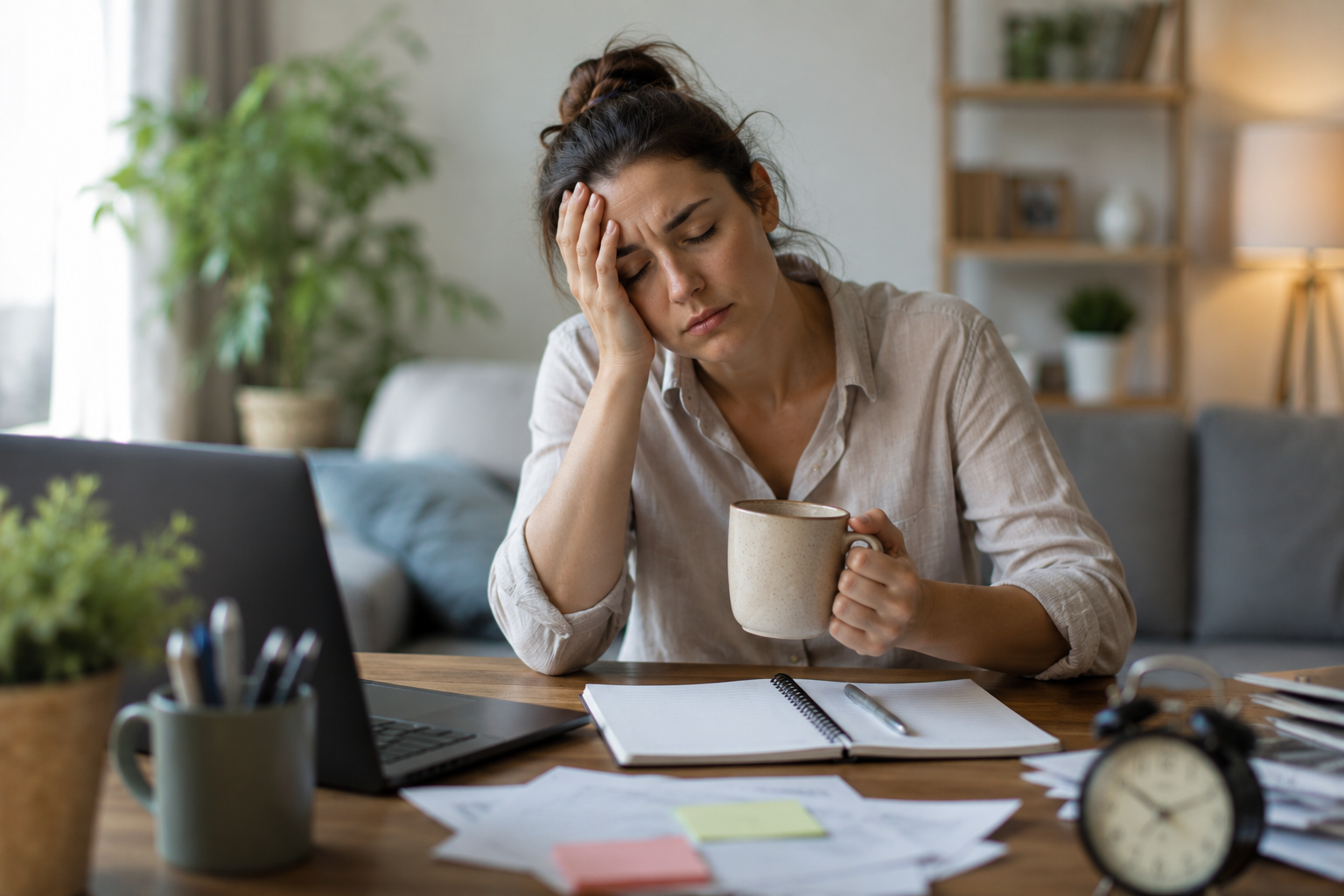
Women experiencing chronic stress may notice persistent fatigue that does not improve even after rest. Many women also report increased muscle tension, recurring headaches, digestive discomfort, changes in appetite, and difficulty maintaining consistent energy levels throughout the day. These symptoms often develop gradually, making them easy to overlook or dismiss as part of a busy lifestyle.
Stress can also affect sleep quality, which further contributes to physical exhaustion. When the body does not receive adequate opportunities to recover, it becomes more difficult to maintain optimal wellness. Over time, chronic stress may make daily activities feel more challenging and physically demanding.
Healthcare professionals continue to study How Stress Can Affect Women’s Health because prolonged stress may influence multiple areas of physical well-being. The effects are often gradual, which is why many women may not immediately connect their symptoms to chronic stress.
3 Emotional and Mental Health Challenges
How Stress Can Affect Women’s Health extends beyond physical symptoms and significantly influences emotional well-being.
Women experiencing ongoing stress often find that their emotional responses become more intense and difficult to manage. They may feel overwhelmed by responsibilities that previously seemed manageable. Emotional resilience can decline, making routine challenges feel more difficult than usual.
Many women report feeling anxious, mentally exhausted, emotionally drained, and increasingly frustrated when stress remains unresolved. Concentration may become more difficult, motivation can decline, and maintaining a positive outlook may require greater effort.
Another reason it is important to understand How Stress Can Affect Women’s Health is that emotional symptoms can sometimes appear before physical symptoms. Increased mental pressure may affect confidence, motivation, and overall life satisfaction.
4 Why Women Often Experience Higher Levels of Stress
Women frequently balance multiple roles simultaneously. Professional responsibilities, family commitments, caregiving duties, financial concerns, and personal expectations often compete for attention.
Many women naturally prioritize the needs of others before their own well-being. While supporting family members and loved ones is important, consistently neglecting personal wellness can contribute to increasing stress levels over time.
Societal expectations may also place additional pressure on women to perform successfully in multiple areas of life. These combined responsibilities can create a continuous sense of urgency that contributes to long-term stress.
Understanding these factors helps explain why learning effective stress-management strategies is essential for maintaining overall health.
5 The Relationship Between Stress and Sleep
Sleep and stress are closely connected.
When stress levels increase, many women find it difficult to fall asleep, remain asleep, or experience restorative sleep. Racing thoughts, worry, and mental tension often interfere with the body’s ability to relax at bedtime.
Poor sleep can then increase feelings of stress during the following day, creating a cycle that becomes increasingly difficult to break. This cycle may affect energy levels, concentration, emotional balance, and overall wellness.
Improving sleep habits can be one of the most effective ways to reduce stress naturally. Establishing a regular sleep schedule, limiting screen exposure before bedtime, and creating a relaxing nighttime routine can support healthier sleep patterns.
For additional wellness guidance, read our article Natural Ways to Support Wellness
6 The Importance of Physical Activity
Regular physical activity is one of the most effective tools available for stress management.
Exercise supports both physical and emotional well-being by encouraging movement, improving energy levels, and promoting overall wellness. Women who engage in regular physical activity often report feeling more balanced, energized, and capable of managing daily challenges.
Activities such as walking, swimming, cycling, yoga, stretching, and strength training can all contribute to improved wellness. Exercise does not need to be extreme or time-consuming to be beneficial. Consistency often produces the greatest results.
Making movement a regular part of daily life can help reduce stress while supporting long-term health.
7 Nutrition and Stress Management
Healthy nutrition provides the body with the resources it needs to function effectively during periods of stress.
A balanced diet that includes fruits, vegetables, whole grains, lean proteins, and healthy fats can help support energy levels and overall wellness. Proper nutrition may also contribute to improved mental clarity and emotional balance.
When stress increases, some individuals may skip meals or rely on highly processed foods. While these choices may seem convenient, they often provide only temporary satisfaction and may contribute to fluctuations in energy and mood.
Supporting the body with nutritious foods creates a stronger foundation for managing stress effectively.
8 The Role of Self-Care in Women’s Health
Self-care is often misunderstood as an occasional luxury. In reality, it is an essential component of maintaining overall wellness.
Self-care involves intentionally creating time for activities that promote relaxation, enjoyment, and emotional recovery. Reading, listening to music, spending time outdoors, practicing mindfulness, engaging in hobbies, and enjoying quiet moments can all contribute to improved well-being.
Women who consistently prioritize self-care often find it easier to manage stress and maintain emotional balance during challenging periods.
Learning How Stress Can Affect Women’s Health encourages women to prioritize self-care without guilt. Taking time to recover emotionally and physically can improve resilience and support healthier daily routines.
9 Mindfulness and Relaxation Techniques
Mindfulness encourages individuals to focus on the present moment rather than becoming overwhelmed by future concerns or past experiences.
Practices such as meditation, deep breathing exercises, journaling, and guided relaxation can help calm the mind and reduce feelings of stress. Even a few minutes of mindfulness each day may contribute to improved emotional resilience and mental clarity.
These techniques are particularly valuable because they can be practiced almost anywhere and require very little equipment or preparation.
Many women find that mindfulness becomes an important part of their long-term stress-management routine.
10 Building Strong Social Connections
Supportive relationships play an important role in emotional wellness.
Meaningful social connections provide encouragement, comfort, perspective, and emotional support during difficult times. Talking with trusted friends, family members, or supportive communities can help reduce feelings of isolation and provide valuable reassurance.
Strong relationships create opportunities for emotional connection and can make stressful situations feel more manageable.
Maintaining healthy social connections is an important part of supporting overall well-being.
11 Spending Time in Nature
Nature offers numerous benefits for both physical and emotional health.
Spending time outdoors may help reduce stress, improve mood, encourage physical activity, and support emotional balance. Simple activities such as walking in a park, gardening, hiking, or relaxing outdoors can provide valuable opportunities to disconnect from daily pressures.
Natural environments often encourage relaxation and help create a sense of calm that supports overall wellness.
For additional inspiration, read How Nature Can Help You Live a Healthier Life
12 Creating Healthy Daily Habits
One of the most effective ways to manage stress is by developing consistent healthy routines.
Daily habits such as maintaining regular sleep schedules, exercising consistently, staying hydrated, eating nutritious foods, and practicing mindfulness can create stability and improve resilience.
Small improvements repeated consistently often produce greater long-term benefits than dramatic lifestyle changes that are difficult to maintain.
As awareness grows regarding How Stress Can Affect Women’s Health, more women are recognizing the importance of preventive wellness practices. Consistent healthy habits can reduce the impact of stress and improve overall quality of life. The goal is not perfection but consistency.
Trusted Health Resources
For reliable health information, visit these Do Follow resources:
World Health Organization
National Institutes of Health
Conclusion
Understanding How Stress Can Affect Women’s Health is essential for maintaining long-term physical, emotional, and mental well-being. While stress is a natural part of life, chronic stress can influence many aspects of health when it remains unmanaged.
By prioritizing quality sleep, staying physically active, eating nutritious foods, practicing mindfulness, building strong social connections, spending time in nature, and making self-care a daily habit, women can take meaningful steps toward reducing stress and improving overall wellness.
The most effective approach is consistency rather than perfection. Small positive habits practiced regularly can strengthen resilience, improve quality of life, and support a healthier future. Recognizing How Stress Can Affect Women’s Health allows women to make informed choices that protect their well-being and create a more balanced and fulfilling life.

 Linda Joan